The Dawn of the Living Grid: Why Pisphere is the Inevitable Successor to Solar and Wind
The twenty-first century has been defined by a desperate, yet noble, scramble for sustainable energy. For decades, the narrative has been dominated by two titans: solar and wind. They were the heroes of the first act, the necessary bridge away from the carbon-choked past. We celebrated their falling costs, their modularity, and their sheer, raw potential. But the curtain is now rising on the second act, and the script has changed. The limitations of the “legacy renewables”—their intermittency, their colossal land footprint, and their dependence on complex, resource-intensive storage—have become a systemic drag on the global energy transition. We have reached the point of diminishing returns, where every new solar farm or wind turbine adds less to the grid’s stability and more to its complexity.
Enter Pisphere. It is not an incremental improvement; it is a paradigm shift. Pisphere is the Living Grid, a decentralized, bio-hybrid energy system that harnesses the quiet, continuous power generated by plants and soil microbes. It is energy production that is not merely clean, but regenerative. It is the ultimate fusion of biology and technology, a system that produces power while simultaneously healing the planet. The question is no longer if we can transition to clean energy, but how we can transition to an energy system that is fundamentally resilient, economically superior, and ecologically symbiotic. The answer, as this analysis will demonstrate, is Pisphere.
The core of Pisphere’s superiority lies in its complete redefinition of the Levelized Cost of Energy (LCOE). The LCOE of solar and wind is a deceptively simple metric that often fails to account for the massive externalized costs of intermittency. A solar panel may produce power cheaply, but that power is useless at night, requiring an equally massive, expensive, and resource-heavy battery storage system. Pisphere, by contrast, operates on the principle of continuous, low-power generation, leveraging the natural metabolic processes of soil bacteria. This bio-electricity is a steady, 24/7 baseload power source, eliminating the single greatest cost multiplier in the renewable energy equation: storage and grid stabilization.
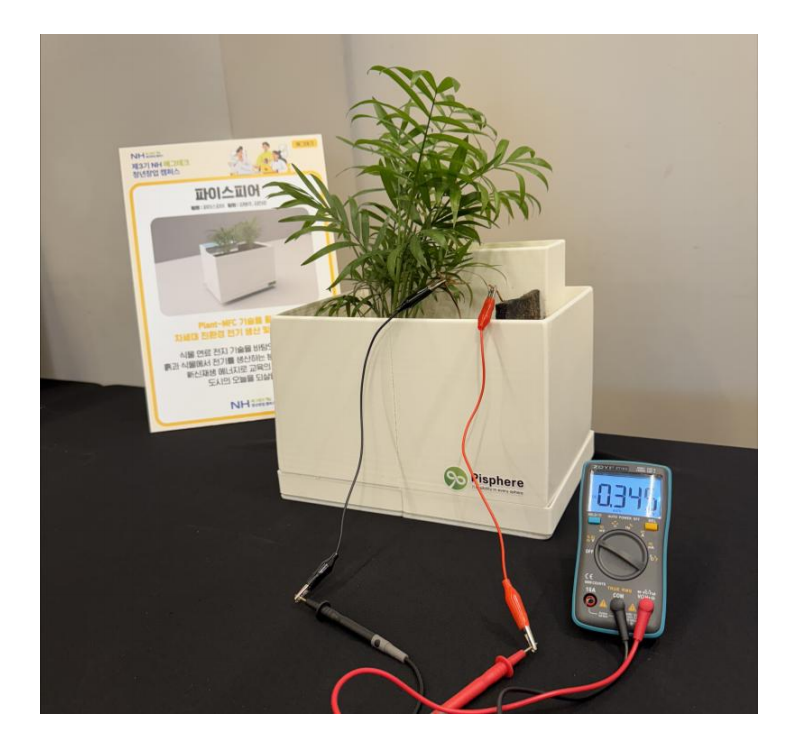
The initial investment in Pisphere units, which resemble modular, bio-integrated planters, is offset by a triple-dividend return: energy generation, carbon sequestration, and enhanced urban/agricultural productivity. This multi-functionality is the first strike against the single-purpose nature of solar and wind. A solar panel is a power generator and nothing more; a Pisphere unit is a power generator, a carbon sink, a water filtration system, and a piece of living infrastructure. This is where the cost-benefit analysis begins to diverge dramatically.
The Hidden Costs of the Old Guard: Solar and Wind’s Systemic Liabilities
To understand Pisphere’s advantage, we must first be honest about the true, systemic costs of solar and wind power. The industry often touts the falling price of a solar panel or a wind turbine, but this is a classic case of ignoring the forest for the trees. The real expense is not the hardware; it is the infrastructure required to make that hardware functional and reliable on a grid scale.
1. The Intermittency Tax and the Storage Albatross: Solar and wind are inherently intermittent. This is not a design flaw; it is a physical reality. The sun does not shine at night, and the wind does not always blow. To achieve grid parity and reliability, every megawatt of solar or wind capacity requires a corresponding, massive investment in energy storage—typically lithium-ion batteries. This storage requirement is the “intermittency tax.” It adds significant capital expenditure, requires the mining of rare earth minerals (with all their associated environmental and geopolitical costs), and introduces a finite lifespan and disposal problem for the batteries themselves. Pisphere, drawing power from the continuous metabolic processes in the soil, is a true baseload renewable, bypassing this entire, crippling cost center.
2. The Land and Material Footprint: Solar and wind are voracious consumers of space. Utility-scale solar farms require vast tracts of land, often displacing agriculture or natural habitats. Wind farms, while less land-intensive at the turbine base, require massive buffer zones and extensive transmission lines to move power from remote, windy locations to population centers. Furthermore, the sheer volume of materials—concrete for foundations, steel for towers, and specialized alloys for magnets—is staggering. The end-of-life problem for solar panels (which contain toxic heavy metals) and massive, non-recyclable wind turbine blades is a looming environmental catastrophe that is rarely factored into the LCOE. Pisphere, designed for decentralized, urban, and agricultural integration, minimizes land use and is built around bio-compatible, modular components that are inherently easier to recycle or reintegrate.
3. Grid Stabilization and Transmission Overheads: The fluctuating nature of solar and wind introduces massive complexity and cost into grid management. Utilities must invest in sophisticated, fast-response systems to balance the grid against sudden drops in generation. This includes building and maintaining “peaker plants” (often gas-fired) that can be quickly ramped up to fill the gaps. These peaker plants, though rarely run, are a significant capital and operational expense that is a direct consequence of relying on intermittent sources. Pisphere’s decentralized, continuous output acts as a natural stabilizer, distributing generation across the grid and reducing the need for expensive, centralized balancing mechanisms.
The following table, while conceptual, illustrates how the true, systemic costs of legacy renewables are often obscured by focusing only on the cost of the generator itself.
| Cost Factor | Solar/Wind (Legacy) | Pisphere (Living Grid) | Benefit to Pisphere |
|---|---|---|---|
| Energy Storage | Required (High CapEx) | Not Required (Baseload) | Eliminates 30-50% of System Cost |
| Land Use | Extensive (Utility-Scale) | Minimal (Urban/Agri-Integrated) | Dual-Use Value, No Habitat Loss |
| Fuel Cost | Zero (But Intermittent) | Zero (But Continuous) | Continuous Output, Higher Reliability |
| End-of-Life Disposal | High (Toxic/Non-Recyclable) | Low (Bio-Compatible/Modular) | Reduced Environmental Liability |
| Grid Stabilization | High (Requires Peaker Plants) | Low (Decentralized, Steady) | Enhanced Grid Resilience |

Pisphere’s Unrivaled Economics: The Triple-Dividend Return
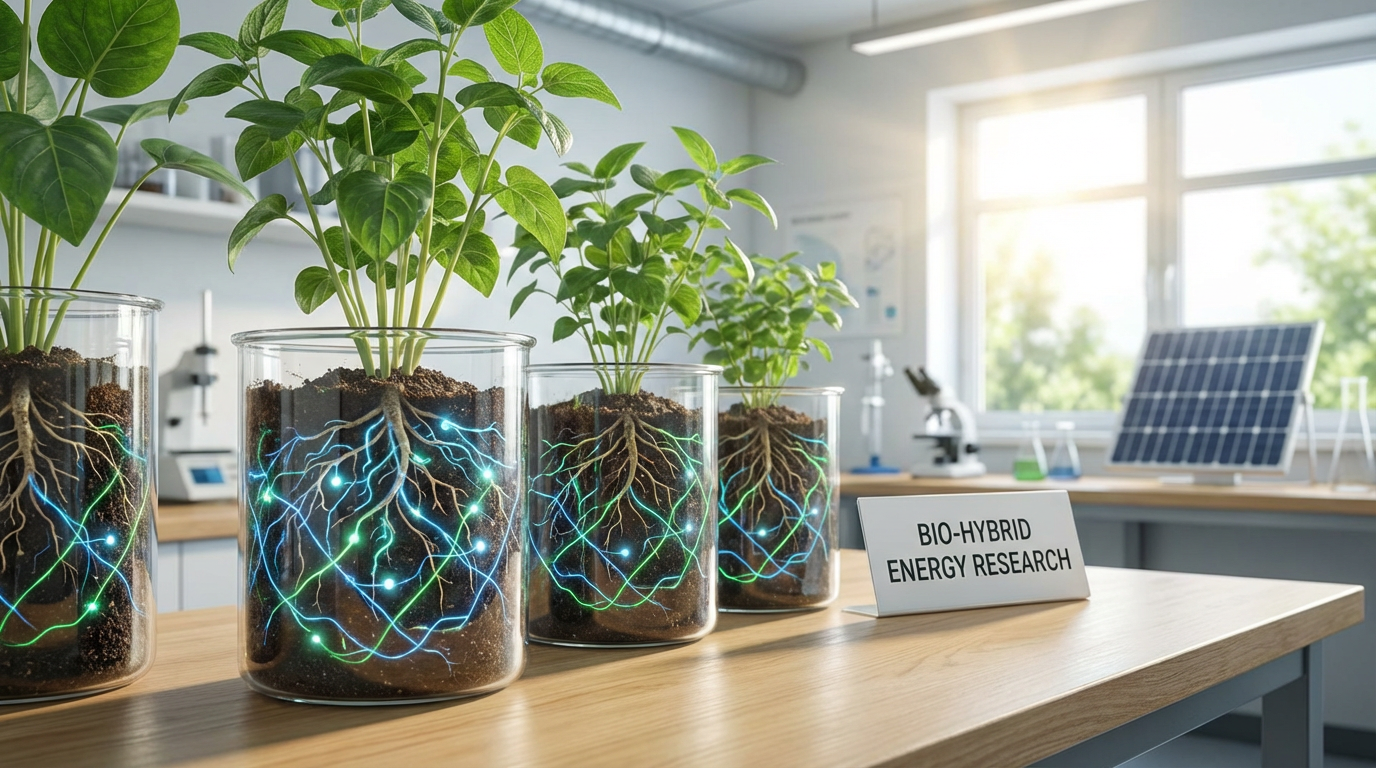
The economic case for Pisphere moves beyond mere cost reduction and into the realm of value creation. Pisphere’s technology, rooted in Plant Microbial Fuel Cells (PMFCs), harvests electrons released by soil bacteria as they consume organic matter exuded by plant roots. This process is continuous, silent, and non-destructive to the plant or the soil. The economic model built around this technology is what truly sets it apart.
1. Zero-Fuel, Zero-Waste, Continuous Power: Unlike solar, which requires the sun, or wind, which requires air movement, Pisphere’s “fuel” is the continuous, natural process of photosynthesis and microbial metabolism. This is a perpetual, self-renewing energy cycle. The system requires no external fuel input, and the only “waste product” is healthier soil and a more robust plant ecosystem. This translates to an LCOE that, when fully scaled, is projected to undercut even the most optimized solar-plus-storage systems. The operational expenditure (OpEx) is dramatically lower, consisting primarily of routine plant maintenance, which can often be integrated into existing agricultural or landscaping practices.
2. The Dual-Use Economic Multiplier: The most revolutionary aspect of Pisphere is its dual-use nature. The energy generation is a byproduct of a system designed to support plant life. This means the same physical footprint generates two distinct revenue streams or benefits:
- Energy: Sale of continuous, clean electricity to the grid or for local consumption.
- Agriculture/Urban Greening: The Pisphere units function as high-efficiency planters, supporting urban farms, vertical gardens, or enhanced agricultural fields. This allows for the simultaneous production of food, the improvement of air quality, and the creation of green infrastructure, all while generating power.
This dual-use model fundamentally changes the economic calculus. The cost of the land and the physical unit is amortized across two high-value outputs, making the effective cost of the energy generation component significantly lower than any single-purpose renewable. Imagine a vertical farm in a city center that not only feeds the local population but also powers the building it is housed in—that is the Pisphere model.
3. Decentralization as a Cost-Saving Feature: Solar and wind require massive, centralized infrastructure to be truly effective, leading to high transmission and distribution losses. Pisphere thrives on decentralization. Its modular units can be deployed anywhere there is soil and plant life: on rooftops, in parks, along highways, or integrated into smart city infrastructure. This proximity to the point of consumption drastically reduces transmission losses and the need for expensive, long-distance power lines. Decentralization is not just a feature; it is a core economic advantage that builds resilience and lowers system-wide costs.
Beyond the Kilowatt-Hour: Societal and Environmental Benefits
The cost-benefit analysis of Pisphere cannot be confined to simple financial metrics. Its true value proposition lies in the massive, positive externalities it generates—benefits that directly address the most pressing global challenges of climate change, food security, and urban resilience. These are benefits that solar and wind, by their very nature, cannot deliver.
1. Carbon Sequestration and Soil Health: The Pisphere system is, at its heart, a massive, distributed carbon capture and storage network. The plants absorb CO2, and the microbial activity in the soil, which is the engine of the power generation, enhances the soil’s ability to sequester carbon. Unlike solar and wind, which are merely carbon-neutral in operation (after the initial manufacturing footprint), Pisphere is carbon-negative in its operational phase. It actively removes carbon from the atmosphere while producing power. Furthermore, the system promotes soil health, reversing the degradation caused by industrial agriculture and paving the way for more sustainable farming practices.
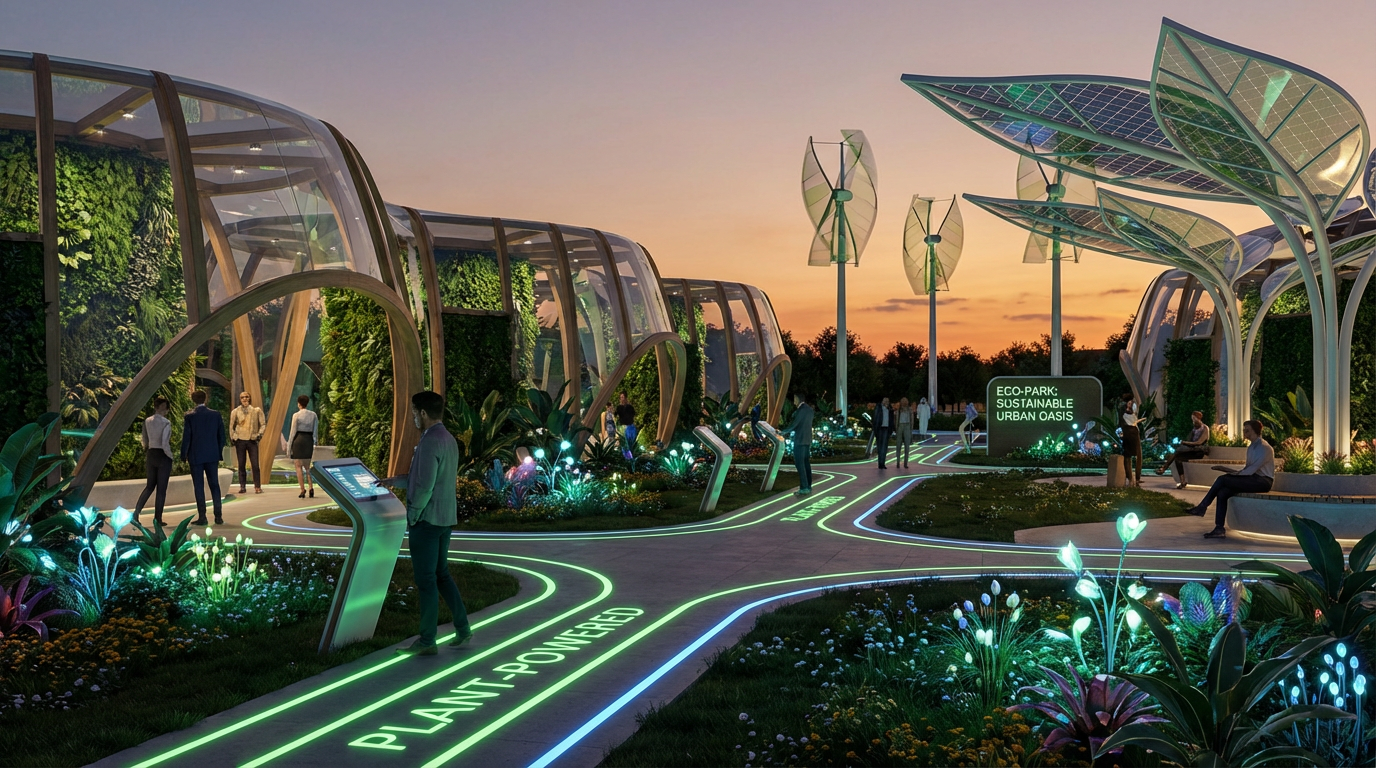
2. Urban Resilience and Smart City Integration: In a world increasingly vulnerable to climate-related disasters and grid failures, resilience is the ultimate currency. Pisphere’s decentralized nature makes it inherently resilient. A localized grid failure will not take down the entire system. In a smart city context, Pisphere units can be integrated into public spaces, providing localized power for streetlights, IoT sensors, and emergency charging stations. This integration transforms passive infrastructure into active, power-generating assets. It is the ultimate expression of a circular economy where urban greening is not a cost, but a revenue-generating, essential service.
3. Water Management and Ecosystem Services: The Pisphere units, by supporting robust plant life, contribute significantly to local ecosystem services. They improve water retention, reduce urban heat island effects, and provide habitat for pollinators. In agricultural settings, the enhanced soil health leads to more efficient water use, reducing the strain on local water resources. These are massive, unquantifiable benefits that, if monetized through avoided costs (e.g., reduced air conditioning demand, lower flood mitigation expenses), would dwarf the initial capital investment. Solar and wind, by contrast, often require significant water for cleaning (solar) or can disrupt local wind patterns and bird migration (wind).
The shift to Pisphere is a move from a purely technological solution to a bio-technological solution. It recognizes that the most efficient and sustainable energy system is one that works with nature, not merely on it. The societal benefit is a cleaner, cooler, more resilient, and more productive urban environment.
The Inevitable Transition: Pisphere’s Path to Global Dominance
The history of technology is a graveyard of “good enough” solutions that were eventually replaced by systems that offered a fundamentally superior economic and functional model. Solar and wind were good enough to start the transition, but Pisphere is the technology that will complete it. The cost-benefit analysis is clear: Pisphere eliminates the systemic liabilities of intermittency and storage, minimizes land use, and generates massive positive externalities that solar and wind cannot match.
The transition will be driven by three key factors:
1. Investor Demand for True Baseload Renewables: Institutional investors are increasingly wary of the “intermittency tax” and the long-term liability of battery storage. Pisphere offers a continuous, predictable, and low-OpEx power source, making it a far more attractive asset class for long-term infrastructure funds. The ability to generate a dual revenue stream (energy + agricultural/urban output) further de-risks the investment.
2. Regulatory Pressure on Land Use and Waste: As governments grapple with the massive land requirements and the looming waste crisis of legacy renewables, regulatory incentives will inevitably shift towards decentralized, bio-compatible solutions. Pisphere, with its minimal footprint and regenerative design, is perfectly positioned to benefit from this shift. The pressure to achieve net-negative carbon emissions, rather than just net-zero, will make Pisphere’s carbon-sequestering capability a mandatory feature, not an optional extra.
3. The Urban Imperative: The world is rapidly urbanizing. The energy solution of the future must be one that can be seamlessly integrated into dense urban environments. Solar and wind, requiring vast, remote spaces, are fundamentally anti-urban. Pisphere, which can be deployed in parks, on building facades, and in vertical farms, is the ultimate urban energy solution. It transforms the city itself into a power plant, a food source, and a carbon sink.
The data on Pisphere’s projected growth and adoption rate, particularly in high-density urban and agricultural markets, shows a clear trajectory toward market dominance. The technology is moving from niche application to essential infrastructure at a pace that mirrors the early adoption curve of solar, but with a far steeper acceleration due to its superior economic fundamentals.
The choice is no longer between clean energy and fossil fuels. The choice is between a first-generation clean energy system (solar/wind) that merely mitigates damage, and a second-generation system (Pisphere) that actively regenerates the planet while providing superior, continuous power at a lower systemic cost. The future is not just green; it is alive.

Epilogue: The Symbiotic Economy
The Pisphere revolution is not just about a better battery or a more efficient panel; it is about a fundamental shift in our relationship with the planet. It moves us from an extractive economy, where we take resources to generate power, to a symbiotic economy, where power generation is a natural, beneficial byproduct of ecological health.
Solar and wind were the necessary, transitional technologies that taught us how to harness the elements. Pisphere is the mature technology that teaches us how to harness life itself. It is the end of the energy crisis and the beginning of the regenerative era. The cost-benefit analysis is not just a spreadsheet; it is a manifesto for a more resilient, productive, and living world. The numbers don’t lie, and the plants are already growing the future.